 4:29 AM
 Lyla E. Smith

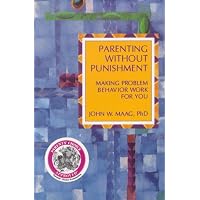 Are you looking to buy Parenting Without Punishment: Making Problem Behavior Work for You? Here is the right place to find the great deals. we can offer discounts of up to 90% on Parenting Without Punishment: Making Problem Behavior Work for You. Check out the link below:
>> Click Here to See Compare Prices and Get the Best Offers
Parenting Without Punishment: Making Problem Behavior Work for You Review

- Average Reviews:

(More customer reviews) - FREE Shipping
Large stretches of this book apply to older children, so I don't feel qualified to comment on those subjects yet (my son is 3 1/2). But the crux of the book is how to identify and isolate a behavior that you want to change. It is such a basic concept and yet so many parenting books fail to explain this. Rather than label your child as "sloppy," identify what you specifically have a problem with (e.g. leaving clothes on the floor). Then you can work with the child to change the behavior. A variety of methods are suggested. These are contrasted against punitive methods that often fail to do much more than demand immediate attention and often lead to children attempting to subvert the rules without understanding them.
Maag's discussion about "time outs," the most often suggested and most often misused form of discipline these days, is exceptional. When I read this part of the book, I immediately lost patience for all the experts and unsolicited advice-givers who seem to gush about this form of discipline. The purpose of the "time out," according to Maag, is to remove a child from a situation where he/she is getting negative attention. Used as a punishment, time outs do not end the misbehavior or address the underlying causes of the misbehavior. If a child is doing something just for the negative attention, removing the child to a new environment or simply removing your attention will end the cycle. Parents who angrily walk their kids to a chair in the corner whenever the child blows milk bubbles are giving the child the attention he craves.
Because so much of misbehavior is not due to a child trying to get negative attention, Maag contends that time outs are of limited utility. Their use as punishments do not help a child develop self control and may instead perpetuate attempts by the child to get away with things known to be wrong.
The actual problem-solving advice given by Maag centers on identifying a problem behavior, discussing your expectations with the child, coming to an agreement, and rewarding progress toward ending the behavior. Therefore, it does not apply to babies or toddlers who are too young to understand the consequences of their actions. It may sound a little to good to be true, and it probably is for people who don't want to put the time or effort into making gradual (and hopefully permanent) changes in a child's behavior. However, I've put the author's philosophy into practice and have been much more relaxed about parenting ever since. I also have a very well-behaved child and can spend quality time with him rather than fighting him at every step.
Parenting Without Punishment: Making Problem Behavior Work for You Overview
Want to learn more information about Parenting Without Punishment: Making Problem Behavior Work for You?
>> Click Here to See All Customer Reviews & Ratings Now
 Posted in: hdd dvd recorder


0 comments:
Post a Comment