 8:07 AM
 Lyla E. Smith

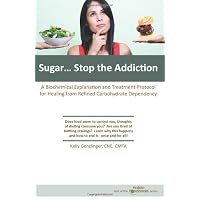 Are you looking to buy Sugar...Stop the Addiction: A Biochemical Explanation and Treatment Protocol for Healing from Refined Carbohydrate? Here is the right place to find the great deals. we can offer discounts of up to 90% on Sugar...Stop the Addiction: A Biochemical Explanation and Treatment Protocol for Healing from Refined Carbohydrate. Check out the link below:
>> Click Here to See Compare Prices and Get the Best Offers
Sugar...Stop the Addiction: A Biochemical Explanation and Treatment Protocol for Healing from Refined Carbohydrate Review

- Average Reviews:

(More customer reviews) - FREE Shipping
Sugar...Stop the Addiction, A Biochemical Explanation and Treatment Protocol for Healing from Refined Carbohydrate Dependency
By Kelly Genzlinger, CNC, CMTA
This is a great read for any Nutritional Consultant that wishes to fully understand sugar addiction and those relentless carbohydrate cravings that seem to plague so many! Written in very clear language this would make a wonderful supplement to a case study for clients caught in this trap. This informative little book of 131 pages is power-packed with clear explanations of carbohydrate metabolism and the biochemical reactions of the body and brain that make this form of addiction so difficult to overcome. The author provides references to studies and other books as well as online resources for further reading.
The book begins in Chapter 1 with a narrative that defines and provides an understanding of exactly what carbohydrates are. The author clearly distinguishes the difference between healthy carbohydrates such as vegetables, whole grains and fruits, and those unhealthy carbohydrates such as sugars and refined grains. Throughout the book she provides visual references in the form of charts, and nutritional knowledge-testing quizzes to keep things interesting.
I really enjoyed reading Chapter 2 in which she provides a historical perspective that debunks the low-fat diet as being anything near healthy, and discloses the faulty research presentation that led to dietary fats being seen as the main culprit behind heart disease.
While low-fat foods were being promoted as healthy and consumption of dietary fats was decreasing, the author questions why the rates of diabetes, cancer, obesity and infertility were increasing, along with heart disease as one of the big killers. Kelly attributes this outcome to the increased consumption of highly refined fake-food carbohydrates loaded with additives and synthetic ingredients such as corn-based sugars, polyunsaturated oils, Trans fats, nutrient-devoid foods, pesticides, fungicides, herbicides and genetically modified ingredients.
Some of the research used for this book is attributed to Weston A. Price, DDS, who studied the cultures of people whose dietary habits had not been influenced by industrialization or modernization. He found that primitive people from other cultures had optimal mind and body heath while consuming their traditional diets that were high in fats and whole food carbohydrates as typically found throughout the history of primitive man. Once industrialization arrived, bringing sugar and refined white flour with it, disease followed quickly.
In Chapter 3 the shocking statistics of sugar consumption in the S.A.D. diet are cited. In 1821 sugar consumption was estimated to be 5-10 lbs per person. This has now risen to 146-170 lbs per year, an increase of 1500% in just under 200 years. Americans each consume, on the average, 300 cans of soda, 200 sticks of gum, 18 lbs of candy, 50 lbs of cake and cookies, and 20 gallons of ice cream annually! A mere 2 Tsp. of blood glucose is required for the body to function properly, but a 12 oz. glass of grape juice contains 15, a 12 oz. can of Coke contains 10, a 12 oz. glass of apple juice contains 10, a 12 oz. can of Sprite contains 9, and a 12 oz. glass of orange juice contains 8.
The author also mentions that primitive man developed biological mechanisms to survive periods of shortage of carbohydrates caused by changing seasons, competition with animals for food, droughts and frosts that reduced available vegetation. She lists eight hormones with functions related to blood sugars, only one of which lowers blood sugar (Insulin), the other seven help to raise blood sugar (Somatostatin, Glucagon, Epinephrine, Cortisol, ACTH, Human Growth Hormone and Thyroxine).
Chapter 4 details the harm caused by sugars: it creates mineral imbalances, inhibits homocysteine conversion, creates gut Dysbiosis and leaky gut, inhibits proper enzyme function and pathways, causes inflammation, affects attitude and perceptions, disrupts hormones, cripples the immune system, creates emotional instability, depletes nutrients, predisposes food allergies and causes out-of-control behavior. Also noted are magnesium, copper and B-Vitamin deficiency, chromium, calcium and amino acid absorption problems, and promotion of Candida Albicans overgrowth that adversely affects digestion.
Other information on sugars covered in this book includes discussions on Fructose, HFCS (High Fructose Corn Syrup), artificial sweeteners and whole foods alternatives to be used. Chapter 7 examines carbohydrate digestion. Chapter 8 explains insulin resistance and diabetes, and insulin sensitivity.
Chapters 10 through 13 provide in depth information on carbohydrate dependency and sugar addiction, and examines "dependent-type persons" who are born with impaired brain chemistry and reply on substances, activities (exercise), alcohol, foods and drugs to alleviate their impaired brain chemistry. Based on biochemical identifiers of three neurotransmitters, low serotonin, low endorphins and low dopamine or catecholamine, and one blood-glucose factor based on the individuals fast metabolism of carbohydrates, I found this section of the book to be most revealing and believe the information to be crucial to helping clients balance brain chemistry and overcome these issues.
Chapter 14 concludes the book with detailed information on treatment protocols that include supplementation with amino acids and other nutrients that will help to balance the brain chemistry and alleviate the carbohydrate dependency issues. Although this book is not lengthy the author has successfully provided ample essential information on her chosen subject, enough to make this book an important management tool for Nutritional Consultants and others interested in optimal health by appropriate dietary interventions. Further information for reading and obtaining her recommended supplements is provided in the Resources and References section at the back of the book.
Reviewed By Moira K NC, MH, HHP, CCP
Faculty Member of GCNM
Reviewer:
Moira K NC MH HHP CCP
Head of Faculty
Global College of Natural Medicine
Vancouver Island College of Natural Wellness
250 Natural Bridges Dr.
Santa Cruz, CA 95060
tel: 1-800-804-5512
Sugar...Stop the Addiction: A Biochemical Explanation and Treatment Protocol for Healing from Refined Carbohydrate Overview
Want to learn more information about Sugar...Stop the Addiction: A Biochemical Explanation and Treatment Protocol for Healing from Refined Carbohydrate?
>> Click Here to See All Customer Reviews & Ratings Now
 Posted in: addiction, body mechanics, cravings, depression, diabetes, diet, food addiction, health, sugar, wellness


0 comments:
Post a Comment